MetaWealth acquires €20 million battery storage project in Dolj, expanding Romanian portfolio to 300 MWh
MetaWealth has acquired a third battery energy storage system (BESS) project in Romania, a 50 MW / 100 MWh facility in Dolj County, bringing its planned domestic portfolio to 148 MW / 300 MWh across three regions. The company estimates the investment in the new project at approximately €20 million.
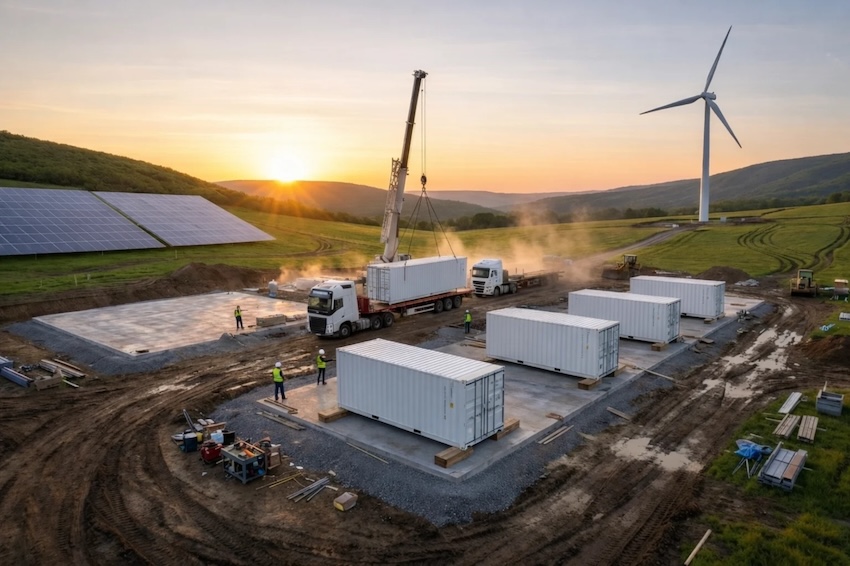
The acquisition agreement was signed on 4 November. The Dolj project joins two existing developments in Dumbrava, Neamț County, and Sânpaul, Mureș County. All three facilities are scheduled to enter commercial operation in 2027.
The Dolj project has secured its land, grid connection approval and building permit, making it ready for construction. Work is expected to begin in the second quarter of 2027, with commercial operations targeted for the third quarter. Its location near a grid connection node is expected to help reduce connection costs and risks.
The expansion follows the €19 million financing package secured in August for the Dumbrava project, including a seven-year senior loan of approximately €10 million from CEC Bank. Construction is already underway at the site, with Parapet Group acting as contractor. Commercial operation is scheduled for the second quarter of 2027. At Sânpaul, construction is expected to start in the first quarter of 2027, ahead of a planned third-quarter commissioning.
The projects are scheduled to become operational as Romania faces additional pressure on its electricity system. Unit 1 of the Cernavodă nuclear power plant, which accounts for approximately 10% of national electricity generation, is due to be taken offline in 2027 for a 32-month refurbishment programme, according to Nuclearelectrica.
A system adequacy study prepared for grid operator Transelectrica indicates that Romania may not meet its required adequacy level in 2027 under the reference scenario, with the most challenging situations expected during winter peak demand.
Battery storage systems can help balance supply and demand by storing surplus electricity, particularly during periods of high solar generation, and releasing it during peak consumption hours. Installed battery storage capacity in Romania stood at approximately 2.31 GWh in early October, while the adequacy study estimates a requirement of around 6,000 MWh of battery storage for 2027.
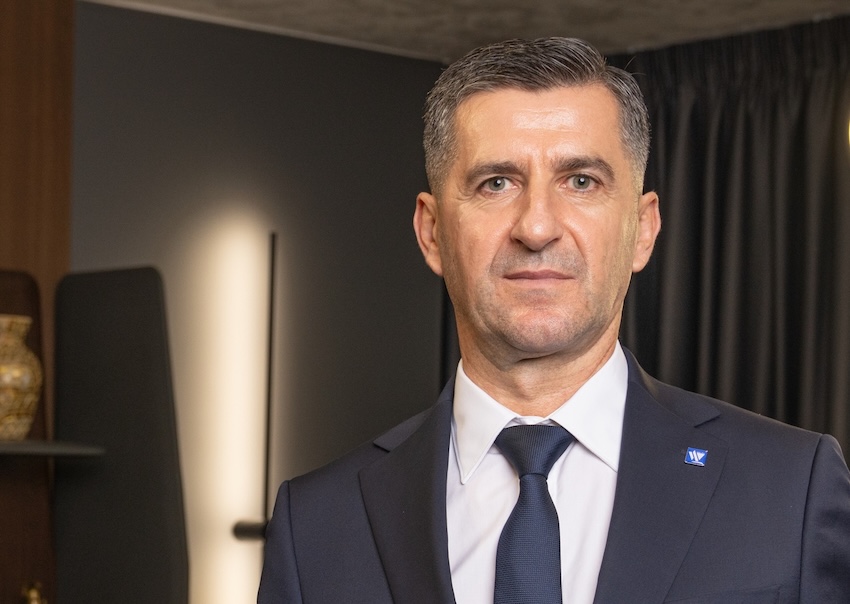
MetaWealth founder and CEO Michael Topolinski said the company plans to bring an additional 500 MWh of storage capacity into commercial operation in 2028. The company finances its projects partly through bonds issued to investors.
Alongside the development of its wider portfolio, MetaWealth has also started a sale process for the Dumbrava project, which will continue until its expected commercial commissioning in the second quarter of 2027. The company has received six offers, with more than a dozen interested parties involved, including renewable energy funds, European energy companies and publicly listed investors.
The company's initial strategy is to develop its first three projects through to commercial operation and then sell them, capturing the development margin. Subsequent projects are intended to remain in its portfolio, generating revenues through energy arbitrage and longer-term electricity trading.