Energy associations warn that changes to the grid connection regulation could slow investments and drive up energy prices
In a joint press release, the Romanian Wind Energy Association (RWEA) and the Romanian Photovoltaic Industry Association (RPIA) warn that the proposed amendments to the Grid Connection Regulation could lead to higher energy prices and a chain of economic effects, including a reduction in the number of jobs in the sector and lower revenues for local budgets, amid a slowdown in investments in new generation capacities.
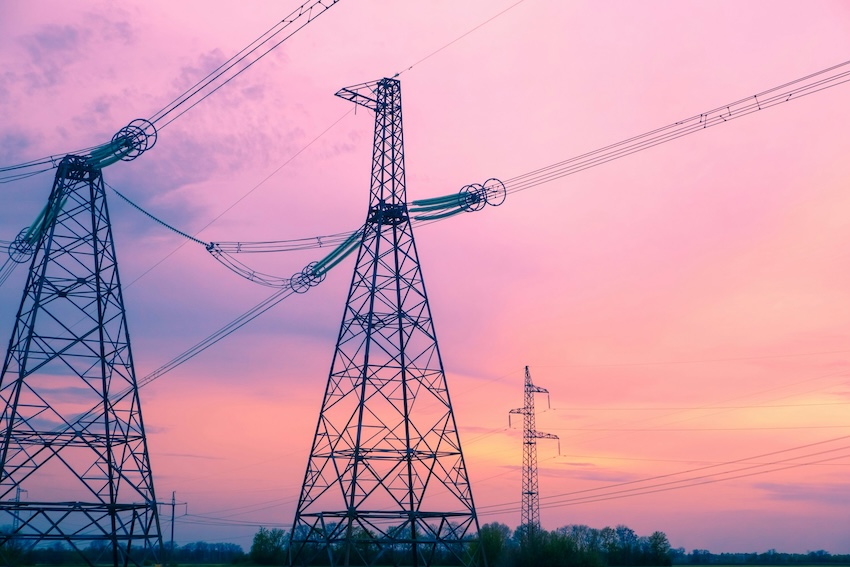
In recent years, driven by the accelerated development of investments in the energy sector, the number of grid connection permits (Technical Connection Approvals – ATRs) issued has increased significantly. At the same time, since 2022, more than 5.5 GW of photovoltaic and wind capacities have been commissioned, covering between 40% and 50% of electricity production during daytime hours. However, there is still a significant number of ATRs that will never materialize and which create a “paper-based” congestion of the grid.
The need for a filtering mechanism to discourage speculative projects is real and acknowledged even by the industry itself, which has proposed since 2019 the introduction of measures such as guarantees for issuing ATRs a measure implemented only in 2024. The industry also proposed the automatic expiration of connection permits when projects fail to obtain the necessary authorizations within a predefined timeframe, an idea later taken over by ANRE. However, in its current form, the draft regulation, in its attempt to discourage speculative projects, imposes conditions so restrictive that they also affect investments with genuine implementation prospects.
It should be noted that, in practice, project development is frequently affected by delays in permitting processes due to institutional constraints or limited administrative capacity. A relevant example is obtaining approvals from the Romanian Civil Aeronautical Authority for wind turbines, where available submission slots currently begin only from June 2027. In this context, RPIA and RWEA emphasize that the amendments should not ignore the proposals formulated by the investment community.
“We call for the adoption of a coherent and balanced regulation that genuinely filters speculative projects, reflects on-the-ground realities, supports investments, and contributes to accelerating the energy transition. It is essential for Romania to maintain a predictable and competitive framework,” stated representatives of RWEA and RPIA.
The solutions proposed by the professional associations are aligned with ANRE’s objectives, but aim to establish realistic deadlines of 24 or 36 months in order to avoid blocking viable projects.
“It is unjustified to adopt an approach in which all investors are treated as potential speculators. Renewable energy is the only sector that has delivered and continues to deliver new large-scale capacities in recent years. Imposing disproportionate conditions risks blocking exactly those projects that are ready to be implemented,” continued the representatives of RPIA and RWEA.
According to industry estimates, more than EUR 700 million has already been invested in the permitting phase alone for energy projects, generating broad economic spillover effects by supporting extensive value chains from consultancy services, engineering, and specialized studies to local suppliers, manufacturers, and related activities all contributing to Romania’s economic competitiveness. Moreover, the sector currently employs over 70,000 full-time workers, and in order to achieve the targets assumed under the National Integrated Energy and Climate Plan more than 10 GW in photovoltaic energy and 7 GW in wind energy, this number is expected to exceed 100,000 by 2030.
The associations warn about the risk of a renewed blockage in the energy production sector in the context of the proposed amendments to the Grid Connection Regulation. A similar precedent occurred after 2013, when the energy sector went through a period of stagnation lasting almost a decade. The effects were significant, and restoring Romania’s investment attractiveness required years of sustained effort. Furthermore, a development slowdown would mean fewer jobs, lower revenues for local budgets, and increased pressure on energy prices. Renewable energy capacities, which are the most competitive in terms of cost, are essential for stabilizing prices, as demonstrated by examples from Spain and Portugal.
In the current context, marked by economic and geopolitical pressures as well as ambitious decarbonization targets, maintaining the predictability of the regulatory framework is essential, especially given that every installed MW counts.