Electrica launches Energy Education Pact and Regional Training Centre to address Romania’s skills gap
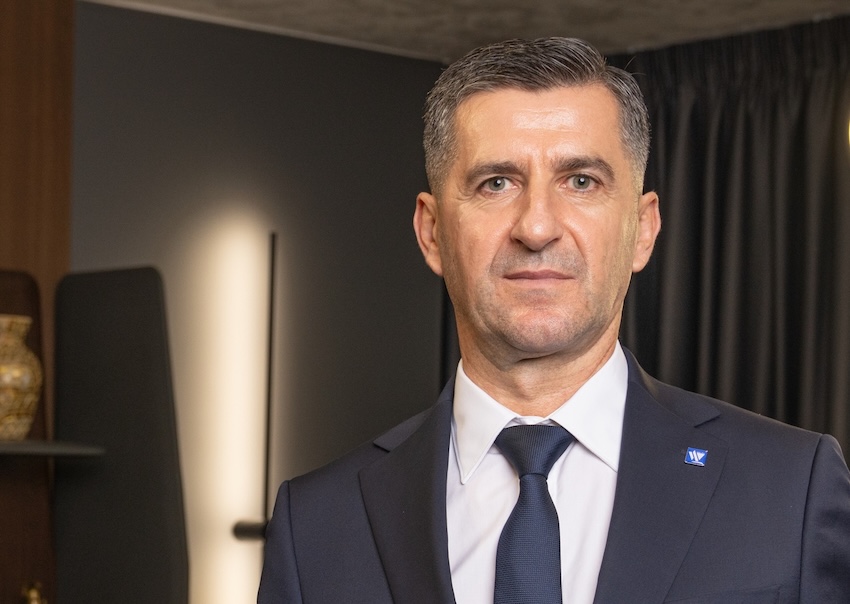
Romania could become more than a regional energy hub, positioning itself as a centre for energy education and workforce development in Central and South-Eastern Europe, according to Electrica CEO Alexandru Chiriță.
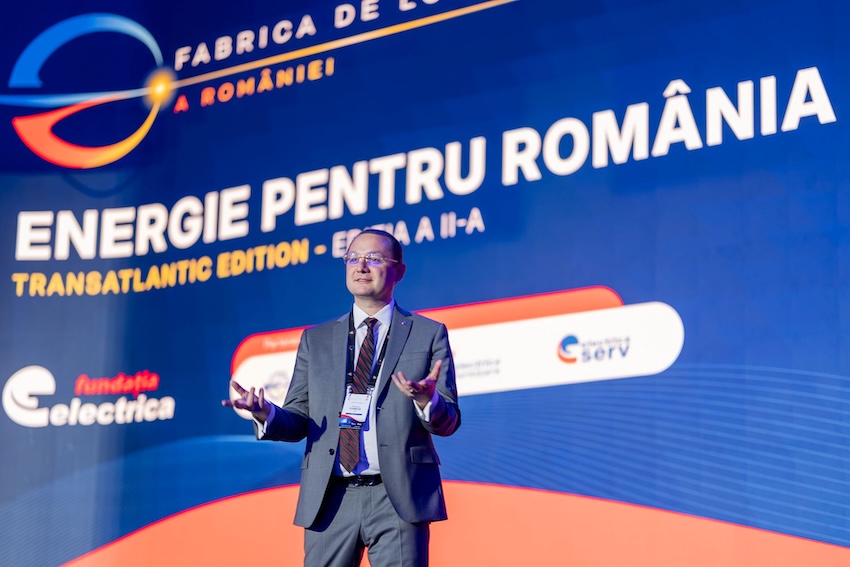
Speaking at the second edition of “Energy for Romania” – Transatlantic Edition, held on 16 November 2026, Chiriță announced three initiatives aimed at addressing the growing shortage of skilled professionals in the energy sector: an open Energy Education Pact, a regional energy studies centre, and specialised training programmes developed in cooperation with US partners.
Organised by Electrica Group and the Electrica Foundation, in partnership with Atlantic Council, the event brought together representatives of government, academia, energy companies and international institutions. The Energy Education Pact was signed by 22 organisations, including seven universities, four technological high schools, the energy regulator and industry companies, under the High Patronage of the Romanian Government.
The event also marked the launch of the “Prof. Eng. Dimitrie Leonida” Energy Studies Centre, designed to support education, practical training and research across Romania and neighbouring countries.
The proposed centre will serve Romania, Bulgaria, Greece, Moldova and Ukraine, offering training programmes for electricians, technical specialists and energy sector managers. Electrica is inviting regional partners to participate in developing the initiative, with the centre's progress and structure expected to be presented in November 2027.
The Energy Education Pact will remain open to companies, universities, technical schools and public institutions willing to contribute to workforce development. Participation is free, with each signatory defining its own commitments, objectives and implementation deadlines. Progress is expected to be reported publicly each year.
The initiative also aims to establish practical training partnerships with energy companies, enabling students and future professionals to gain hands-on experience and improve their access to employment in the sector.
US cooperation is another component of the programme. Discussions at the event highlighted opportunities for technical exchanges and specialised training involving American partners, with the new centre intended to provide a platform for developing these initiatives.
Government representatives stressed the importance of workforce development for the energy transition and system resilience. Energy Minister Dumitru Chisăliță proposed mapping workforce training needs at county level, identifying companies where students could undertake practical training, and bringing together programme participants and their mentors next year to assess the results.
The initiative comes as Romania and the wider region face increasing demand for qualified electricians, engineers and technical specialists, amid investment in generation, grids, storage and energy infrastructure.
“Romania can be more than an energy hub. It can be the energy school of the region,” Chiriță said, arguing that workforce development should become a shared responsibility across the energy industry, educational institutions and public authorities.